Best Sync Licensing Companies for Independent Artists in 2026: How to Submit Your Music Successfully
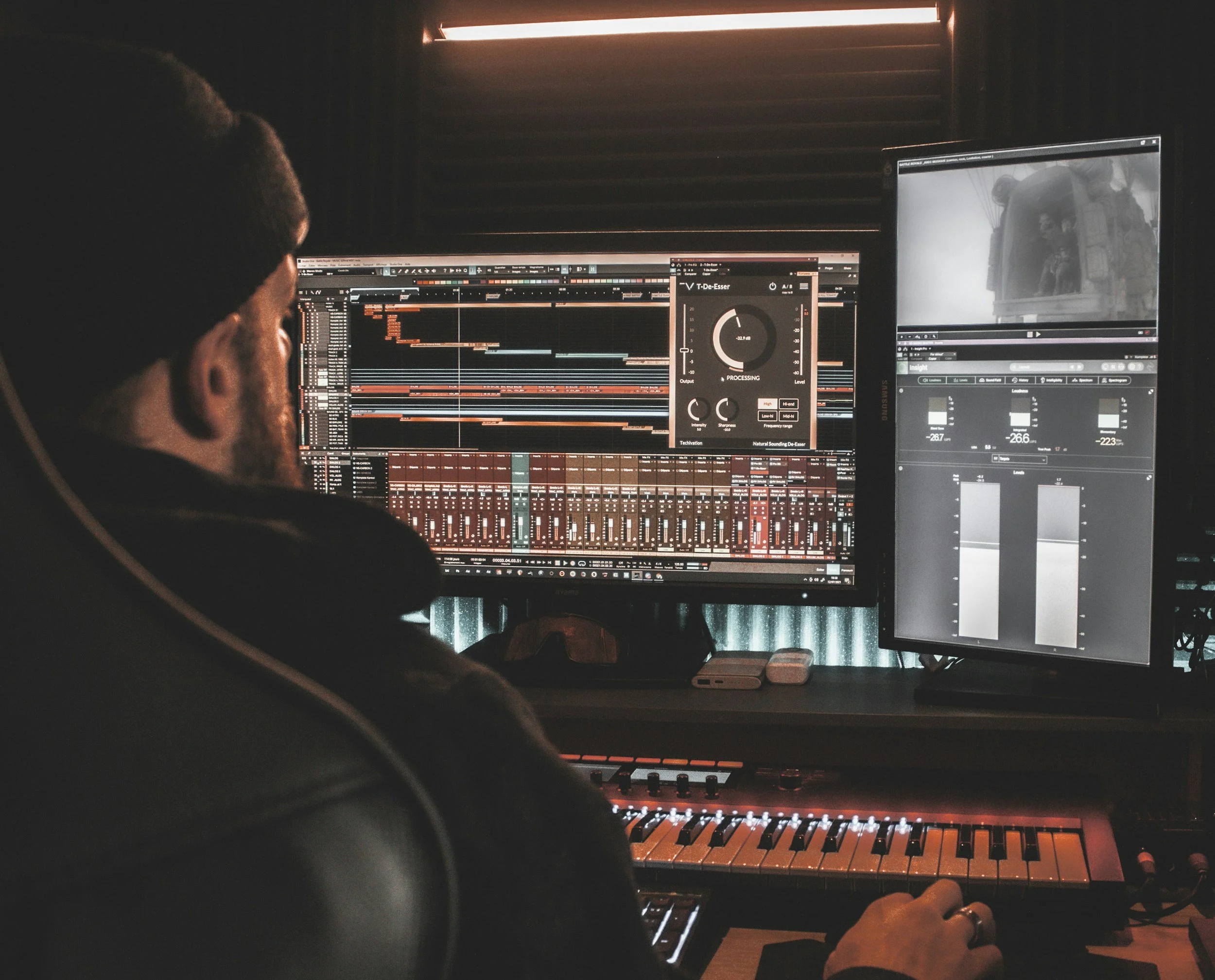
If you are an independent artist, producer, or songwriter trying to get your music placed in TV shows, films, commercials, video games, Netflix productions, trailers, or YouTube content, this guide breaks down the best sync licensing companies in 2026 and how to actually submit your music the right way.
Most artists fail at sync licensing because their music is not fully prepared before submission. Music supervisors and licensing companies want broadcast ready mixes, instrumental versions, metadata, clean edits, stems, and clear ownership information before they even consider a placement.
Below is a complete breakdown of the top sync licensing companies for independent artists, including what genres they accept, what they are best for, how submissions work, and what you should prepare before pitching your catalog.
Before submitting your music anywhere, make sure your songs are fully mixed, mastered, and sync ready.
Best Sync Licensing Companies At a Glance
| Company | Best For | Genres | Submission Type | Typical Response |
|---|---|---|---|---|
| Songtradr | Indie Artists & Broad Licensing | All Genres | Upload Platform | Varies |
| Music Gateway | Sync pitching & opportunities | Pop, cinematic, indie | Paid membership | 1 to 4 weeks |
| TAXI | Film & TV briefs | Film, trailer, singer songwriter | Submission listings | Ongoing |
| Musicbed | Cinematic & emotional music | Indie, orchestral, ambient | Curated submissions | Selective |
| Marmoset | Boutique sync placements | Indie, folk, alternative | Curated catalog | Highly Selective |
| AudioSocket | TV & commercial placements | Rock, pop, electronic | Direct submissions | Varies |
| Crucial Music | TV, film & ad placements | Indie, hip hop, cinematic | Curated | Selective |
| Artlist | Creator economy & YouTube | Instrumental, cinematic | Invite-based | Selective |
| Epidemic Sound | YouTube & creator content | All genres | Exclusive catalog | Ongoing |
| DISCO | Professional pitching delivery | All genres | Metadata management | N/A |
Quick checklist before you pitch
If you want a real shot at sync, treat your pitch like a product. Music supervisors and libraries want fast approvals, clean metadata, and a one-click way to preview the right versions. Use the checklist below before you email anyone, so you do not waste the first impression.
Make My Song Sync ready
If your track isn't broadcast-ready, it gets skipped quickly. We will mix and master it to sync standards and deliver what libraries actually ask for.
Fast turnaround. Instrumentals. Clean edit. Stems and alt mixes.
Want a quick answer first. Book a short consult, and we will tell you exactly what is missing.
Want the Full Sync Contact List?
You just found 18 sync licensing companies. The Sync Licensing Bible gives you access to 300+ music supervisors, music libraries, publishers, and sync contacts in one organized digital directory.
Stop spending hours searching for where to submit your music. Use the directory to build your outreach list, organize your pitches, and start submitting with a real plan.
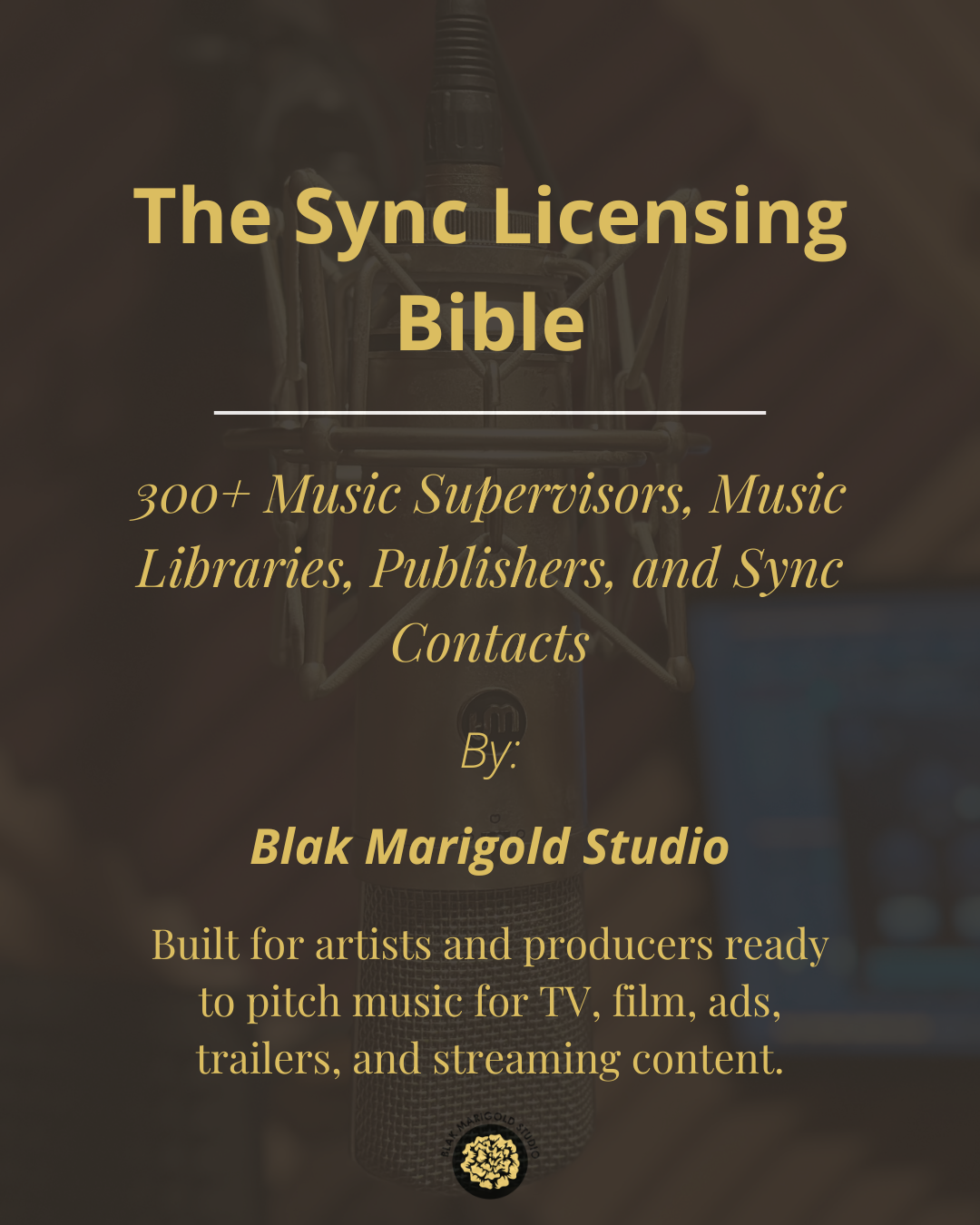
Sync Licensing Bible digital directory with 300-plus music supervisors, libraries, publishers, and sync contacts.
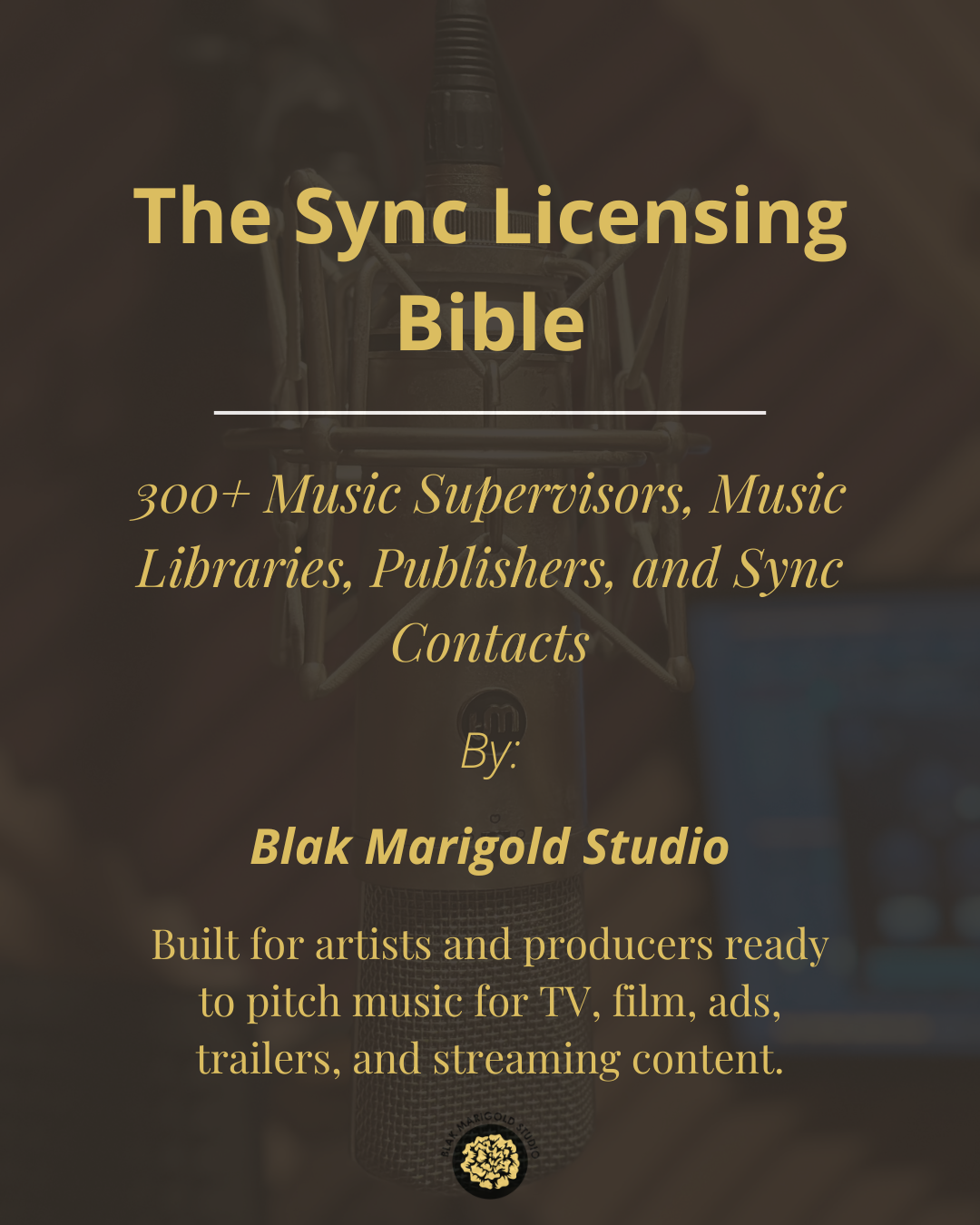
The Sync Licensing Bible gives artists, producers, songwriters, managers, and indie labels access to over 300 music supervisors, music libraries, publishers, licensing companies, and sync contacts so you can stop searching and start pitching with a real plan.
This directory is designed to save you time, help you stay organized, and give you a stronger starting point for getting your songs in front of people who work with TV, film, ads, trailers, games, and digital media.
Perfect for anyone ready to stop guessing where to send music and start building a real sync outreach system.
Digital download only. No physical product will be shipped.
What Is Sync Licensing?
Sync licensing (short for synchronization licensing) is the process of authorizing the use of your music in synchronization with visual media. Essentially, whenever a song is used in tandem with images – such as in a movie scene, TV episode, commercial, video game, or YouTube video – the rights holder must grant a sync license. In a sync deal, the content creator (film/TV producer, etc.) pays a fee for the right to “sync” the music to their visuals, often called a sync fee. The artist (and/or their publisher) still retains the copyright but allows that specific usage of the song.
For artists, sync licensing represents a vital income stream and promotional avenue. A single placement can bring an upfront payment and also generate performance royalties (when the show or ad airs publicly) that performing rights organizations will collect on your behalf. It can also drive listeners to seek out your music – recent high-profile examples include older songs like Kate Bush’s “Running Up That Hill” topping charts after a Netflix sync, and an indie artist like Orville Peck gaining huge streaming boosts from a song’s placement on HBO. In short, sync licensing lets you earn money from your recordings beyond streaming and sales, while reaching new audiences through the media that features your music.
Quick checklist before you pitch
Breaking into sync licensing can feel daunting for a new artist, but there are concrete steps you can take to improve your chances. Here are some essential tips to help you get your music placed in film, TV, and other media:
If you want a real shot at sync, treat your pitch like a product. Music supervisors and libraries want fast approvals, clean metadata, and a one click way to preview the right versions. Use the checklist below before you email anyone so you do not waste the first impression.
Produce High-Quality, Sync-Ready Music: Quality is paramount – music supervisors and licensing reps seek tracks that are professionally produced and mastered. Make sure your recordings sound polished and broadcast-ready. Avoid any uncleared samples or copyright issues in your songs (using unlicensed samples can derail a sync deal). It’s wise to prepare alternate versions of each track in advance: have an instrumental version, a vocal-only or stripped version, and even a “clean” edit if your song has explicit lyrics. These versions make your music more flexible for different scenes (often, instrumental cues are needed). Most importantly, great songwriting and production will set you apart – a high-quality track is the first step to a successful sync placement.
Organize Your Catalog and Metadata: Treat your music catalog like a library that supervisors or licensing platforms can easily search. Tag your files with accurate metadata – include song titles, your artist name, genre, mood keywords, and contact info in the file data. Good metadata ensures that if someone discovers your track, they know how to reach you or your team to license it. It also helps your songs show up in searches (for example, a supervisor might search a library for “upbeat indie rock with female vocals”). Additionally, register your songs with a Performance Rights Organization (PRO, like ASCAP, BMI, or SESAC in the US) so that when your music does get used publicly, you’re set up to collect the performance royalties you’re entitled to. (PROs track public performances on TV, radio, venues, etc., and pay songwriters royalties for those uses.) Having your business details sorted out – from metadata to PRO registration – makes your music easy to license, which music buyers greatly appreciate.
Choose the Right Licensing Companies (and Submit Your Music): Not all sync licensing platforms are the same – they vary in style, clientele, and terms. Do some research to find companies or libraries that fit your music and goals. For instance, some libraries cater to YouTube creators and streamers, others focus on providing music for big-budget films and ads, and some specialize in certain genres. Below, we’ve compiled a list of many top platforms; explore their sites and guidelines to see where your music might be a good match. Many artists submit to multiple libraries and opportunities to improve their odds (there’s no rule that you must stick to one platform exclusively, unless you sign an exclusive deal). You can also pitch to sync agents – professionals who represent artists and pitch music directly to supervisors – but those typically require networking and proven success. As a new artist, start by getting your tracks onto reputable licensing platforms or music libraries. Follow each company’s submission guidelines closely (format, number of tracks, metadata requirements, etc.) to make a professional impression.
Be Professional and Persistent: Music supervisors and licensing companies receive hundreds of submissions and emails, so understand that responses may take time. Patience and polite persistence can pay off – it’s okay to follow up on a submission after a reasonable period, or to keep submitting new material as you create it. When you reach out or fill out applications, personalize your pitch if possible. A generic “Dear Sir/Madam, here’s my mixtape” email sent to 200 people will likely be ignored. Instead, if emailing a supervisor or boutique agency, mention something specific (e.g., “I saw that you music supervised [X Show]; I have a track that might fit that style”). Keep messages concise, make it easy to access your music (via a streaming link or a platform like DISCO that packages your tracks and info together), and always be courteous. Little things count: correct grammar, a clear subject line, and providing all needed info (like songwriter credits, master ownership, etc.) signal that you’re professional and “easy to work with.” Many placements come down not just to great music, but to artists who are organized and responsive when an opportunity arises.
Build Relationships & Continue Creating: The saying “networking matters” is true in sync. You never know who might help land your song in a project – it could be a fellow artist, a filmmaker friend, or someone you met at a music conference. Cultivate relationships in the industry and local film community. Sometimes, independent filmmakers will use your music if you offer it, which builds your track record. If you do start working with a licensing agency or music supervisor, nurture that relationship (be reliable, meet deadlines, etc.), as it can lead to repeat placements. Also, keep writing and recording new music! The more high-quality songs in your catalog, the more chances you have to meet a music supervisor’s needs. Aim to cover a range of moods and styles that still authentically represent you – versatility can make you a go-to for different placement opportunities. Above all, don’t get discouraged. Sync success often takes time, and even veterans face rejections. By continuously improving your craft and expanding your network of contacts, you’ll increase the likelihood that the right opportunity finds you. And remember, each small placement can be a stepping stone to bigger ones; momentum builds over time.
Now that you know the basics and some best practices, let’s dive into the top sync licensing companies and platforms available to artists. The list below combines the best features of various sync agencies, music libraries, and licensing marketplaces – including both free and paid options. Each company has a unique model, so read the descriptions to identify which might align with your strategy (in fact, you might work with several simultaneously). Note: These are not ranked in any particular order, and each has something different to offer. From “music libraries” that pitch to Hollywood, to royalty-free stock music sites used by YouTubers, to specialized platforms for beats or indie artists – we’ve got you covered.
Before you submit anywhere
If your mix is not broadcast ready, it gets skipped fast. Before you submit, make sure you have clean edits, an instrumental, stems, alt mixes, and proper metadata.
Fast feedback. Clear next steps. No guesswork.
Sync Ready Deliverables Checklist Free PDF
Top Sync Licensing Companies for Independent Artists
Music Gateway
Music Gateway is a versatile platform that offers a bit of everything for artists looking to license their music. It operates on a hybrid model: there’s an online library where music supervisors can find your tracks, but the Music Gateway team also actively pitches songs on your behalf to their network of media clients. The company is well-established and has worked with major studios like Disney, DreamWorks, and Universal, lending it a strong reputation in the industry. To use Music Gateway, artists choose a subscription plan (ranging roughly from $7.50 to $37 per month) which grants access to sync opportunity listings and pitching services. Your revenue split depends on your plan and exclusivity: you can keep between 50% and 80% of any sync fees earned, and you always retain 100% of your backend royalties. Music Gateway also provides other services (like playlist promotion and A&R tools), but its sync licensing arm is a key draw. For an indie artist, this platform can be a one-stop shop to get your music in front of film, TV, and game producers without needing a traditional publisher or agent.
Musicbed
Musicbed is a high-end music licensing platform widely used by filmmakers, advertising agencies, and content creators to find premium independent music. It offers a curated catalog of songs from indie artists, bands, and composers – all vetted for quality and emotional impact. Musicbed stands out for its user-friendly search (allowing clients to filter by genre, mood, instrument, vocals, etc.) and its flexible licensing options. Users can license a single song for a one-off project, get a subscription for unlimited use (popular with YouTubers and wedding videographers), or even commission custom music through the platform. Musicbed has a strong track record, having provided music for big brands and campaigns – Ford, Coca-Cola, Netflix, McDonald’s, Nike, and many more have sourced music here. For artists, Musicbed can be lucrative due to these high-profile clients (fees for major ads or films can be substantial). They typically work non-exclusively, meaning you can license elsewhere, but they do have quality standards and may be selective about new contributors. In fact, at times, Musicbed temporarily closes submissions to new artists when its roster is full. If your music fits a cinematic, emotive vibe (think music that works in film montages, trailers, or upscale ads), Musicbed is definitely a company to have on your radar.
PremiumBeat
PremiumBeatis a popular music licensing library known for its high-quality tracks and easy licensing structure. It is owned by Shutterstock (the stock photography giant), which means it’s part of a robust ecosystem for creative content. PremiumBeat’s catalog is relatively smaller and tightly curated compared to some stock music sites, focusing on professional, commercial-ready tracks from top composers and artists. For buyers, PremiumBeat offers a simple pricing model: a Standard License covers most web uses (like YouTube, corporate videos, social media), and a Premium License covers expansive uses, including TV broadcast, radio, films, and apps. This clarity makes it easy for clients to know what they need. As an artist, getting your music on PremiumBeat means it will be presented to a wide range of content creators who use Shutterstock’s marketplace. The platform has a reputation for user-friendly search and filters, helping clients quickly find the perfect track. PremiumBeat’s association with Shutterstock also suggests a broad international reach. If your music is instrumental or cinematic and you’re willing to have it used in a variety of media (often royalty-free to the end client after the one-time license fee), PremiumBeat could be a good fit. It’s especially useful for composers of background scores, corporate music, jingles, and trendy tracks that fit advertising styles.
Songtradr
Songtradris one of the largest open music licensing marketplaces, connecting independent artists with a myriad of media licensing opportunities. The platform is quite feature-rich: you can upload your catalog, get your music placed in films/TV, monetize it on YouTube and social media, and even distribute your music to streaming services – all under the Songtradr umbrella. For sync licensing, Songtradr offers both a marketplace and direct-to-client pitches. They operate on a freemium model: you can use Songtradr with a free account or opt for a paid tier (Pro) that costs about $49 per year. Your membership level influences your payout splits – a free account lets you keep 60% of any sync licensing fee from placements, whereas the top paid tier lets you keep 80% of sync fees (with mid-tier options in between). In all cases, you retain 100% of your performance royalties and writer’s share. Songtradr is transparent about how it works, which is great for newcomers. It lists “music wanted” briefs that you can submit to, sometimes with preset licensing fee offers, and it uses AI-driven matching to suggest your songs to relevant opportunities. They even have a program that allows your music to be played in retail stores, restaurants, and apps (you earn micro-payments based on actual usage). For indie artists, Songtradr is appealing because it’s accessible (anyone can sign up) and it consolidates many monetization avenues in one platform. Just be prepared for competition – there are thousands of artists on Songtradr, so make sure your songs are well-tagged and presentation-ready to catch a music supervisor’s ear.
BeatStars
BeatStars is a bit different from others on this list – it’s primarily a digital marketplace for beats and instrumentals, but it deserves mention for its massive impact on music licensing, especially in the hip-hop and pop world. BeatStars is a community where producers license their beats to artists (like rappers or singers) who need music to record over. While it’s not about sync licensing to film/TV, it is about licensing music rights, and many producers use it to generate income from their tracks. For new artists, BeatStars can be useful if you need quality instrumentals or if you’re a producer looking to monetize your tracks via licenses. The platform has an easy-to-use website and app, and even offers educational resources so users can learn how to be successful on the platform. One standout fact: BeatStars has paid out over $85 million to independent music creators who sell or license their work there. The site attracts a huge audience (on the order of 3 million visitors per month), so there is a lot of traffic and potential for sales. Producers can set different license types for their beats (for example, a basic license might allow an artist to use the beat in one commercial release or music video, while an exclusive license costs more). BeatStars gained fame as the platform where Lil Nas X bought the beat for “Old Town Road.” If you’re a producer, joining BeatStars can connect you with artists and even lead to sync opportunities indirectly (some BeatStars producers have had their beats later used in commercials or shows once the songs gained popularity). If you’re an artist, you might use BeatStars to find affordable, professionally-made instrumentals to record on, which you can then pitch for sync opportunities as your own songs. Overall, BeatStars is an important part of the online music licensing ecosystem and emphasizes how licensing isn’t just for film and TV – it’s also about artists collaborating and legally sharing music rights in the online era.
Jingle Punks
Jingle Punks is one of the best-known music licensing agencies in the industry, particularly famed for its expansive music library and work in television. If you’ve watched reality TV shows or ads on major networks, there’s a good chance you’ve heard Jingle Punks music in the background. The company boasts a catalog of nearly 500,000 songs spanning all genres and mood. They provide music to TV shows, films, commercials, video games, and more – offering clients a huge one-stop library. For artists, Jingle Punks operates on an exclusive contract model: when you submit a song, and it gets accepted into their library, you’re typically asked to sign an agreement giving Jingle Punks the exclusive right to license that song for a period (often 1 year, auto-renewable). This means you can’t license that same track through other channels during that time. In return, Jingle Punks will pitch it aggressively to their clients. The revenue split is usually 50/50 on any sync fees (they take 50%, you get 50%). Additionally, they often register as the publisher for the track during the contract, which means they collect the publisher’s share of performance royalties, while you retain the writer’s share. This is a fairly standard trade-off for larger libraries – they take a bigger cut but, ideally, bring in more (and bigger) opportunities. Jingle Punks’ credibility and connections (they’ve serviced shows on MTV, NBC, VH1, etc.) can make them a great partner if you’re okay with the exclusive arrangement. This platform is especially suitable if you create a lot of background music, instrumentals, or catchy cues that could work well on reality TV, sports, or ads. Just go in knowing that Jingle Punks is selective and tends to favor tracks that are universal and high-impact (they even produce custom “jingles” and themes, as their name suggests).
Artlist
Artlist is a fast-growing platform in the sync world, known for its subscription-based, royalty-free licensing model. Artlist’s clients are largely YouTubers, videographers, freelance filmmakers, and even larger agencies that need a lot of music for various projects. The appeal for them is that, with a paid subscription, they can download and use unlimited tracks from Artlist’s library in any videos without worrying about separate licenses – one subscription covers everything globally. For artists contributing to Artlist, the model is non-exclusive and artist-friendly. You retain ownership of your music and sign a non-exclusive agreement, meaning you can still use or license your tracks elsewhere (Artlist just requires that you don’t offer the same tracks on directly competing subscription libraries). Artlist pays artists upfront licensing fees for each song they accept into the catalog (this can vary per song, often a few hundred dollars or more, depending on the track and negotiation). They also share royalties or revenue based on downloads/usage in a way that ends up roughly equivalent to a 50/50 split of subscriber revenue attributable to your music (similar to how other royalty-free libraries work). One of Artlist’s strengths is its focus on indie music that doesn’t sound “stock.” They actively seek out indie bands, singer-songwriters, and alternative producers to give their library a unique vibe, rather than generic-sounding stock music. This means as an artist, your music keeps its character and can find a home in projects worldwide. An added perk: because Artlist’s license covers all uses on all platforms, filmmakers are free to use Artlist music even in commercial projects with no extra fees, which can make your music very attractive to them. In summary, Artlist provides a global reach and steady income model for artists, plus the freedom of non-exclusivity – an excellent option if you want your music in YouTube videos, wedding films, and independent projects around the world while still keeping your rights.
Taxi
Taxiis often mentioned in discussions of sync licensing because it was one of the first platforms dedicated to connecting independent musicians with film/TV placements. Founded in the early ’90s, Taxi essentially acts as a middleman: they publish “music wanted” listings from music supervisors, TV shows, ad agencies, game companies, etc., and forward the music of their member artists that fits the brief. To participate, artists must become Taxi members. The membership runs about $300 for the first year (and $200 per year thereafter). While that’s a significant fee, what you get is access to daily opportunities and industry listings that non-members can’t see. Each listing has specific requirements (genre, style, deadline, etc.), and as a member, you can pitch your track if it matches. Taxi uses a team of screeners to review submissions and forward the best ones to the client, which maintains a quality filter. They also provide feedback to artists on submissions. In addition to the annual fee, Taxi charges $5 per song submission to a listing (this is meant to encourage only serious, relevant submissions and to cover admin costs). Notably, Taxi does not take a cut of any deals you land through their platform – if your song is selected for a show or by a music library, you negotiate that deal directly or via Taxi’s introduction, but Taxi doesn’t commission the sync fee or royalties. This model is attractive if you prefer to pay upfront for opportunities rather than share revenue on the back end. Taxi is very useful for artists who create production music, cues, songs in specific genres on request, etc. It’s particularly known for opportunities in reality TV, music, cable shows, and libraries. However, success with Taxi requires regularly scanning the listings and submitting consistently – essentially treating it as an ongoing part of your music career. Some musicians have landed big placements or library signings through Taxi, while others might not recoup their membership if they’re not as active or if their music isn’t a match for the listings that year. So, it’s best for those who have a large catalog and versatility, ready to pitch to many different opportunities.
Epidemic Sound
Epidemic Sound has become a powerhouse in the world of royalty-free music for online content, particularly excelling in the YouTube and social media space. If you’re a creator on YouTube or a streamer on Twitch, you’ve likely heard of Epidemic Sound’s subscription service that lets you use music freely without worrying about copyright strikes. For artists, Epidemic offers a unique deal: they essentially buy the rights to your track upfront for their library, and then share streaming revenues with you 50/50 down the line. An Epidemic deal usually involves a one-time payment (an “upfront fee”) per track – this fee can vary widely, but it’s described as “competitive” and takes into account things like whether the song has vocals, the genre, the current demand, and the experience of the creator. Once they pay you, Epidemic then owns the full rights to license that track directly (they are not affiliated with PROs, so they handle all licensing in-house, and no performance royalties are generated on these tracks). In exchange, you as the artist get ongoing compensation in the form of those streaming royalties: Epidemic distributes your music to Spotify, Apple Music, etc., and if people stream it, you get 50% of those royalties (they keep 50%). They reportedly pay out these streaming royalties annually based on each track’s performance. The big draw for Epidemic is instant exposure – your music becomes available to a vast network of YouTubers, podcasters, and content creators who might use it as background music (the platform has millions of end-users). Also, you get money up front, which is nice for cash flow. However, giving Epidemic your tracks does mean you can’t collect PRO royalties or backend from those tracks (because content creators who use Epidemic have a direct license that avoids needing a PRO). Epidemic’s library is full of contemporary, slick music across genres, and they pride themselves on working with “world-class composers and artists” and even helping promote that music on streaming platforms. If you’re an artist who creates a lot of instrumental music or songs that could fit vlogs, gaming videos, or ads, and you don’t mind parting with some rights for an immediate paycheck, Epidemic Sound can be a fantastic avenue. It’s essentially like taking an advance on your music in exchange for letting them handle the licensing. Many musicians do a hybrid approach: some tracks go to Epidemic (for the quick monetization), while others they keep for traditional licensing or artist releases.
Broadjam
Broadjam is a music platform that offers a mix of services, but it’s well-known for its sync licensing opportunities and song contests, especially through the 2000s and 2010s. Broadjam not only lets artists host their music (you can create a profile and upload songs, kind of like an old-school SoundCloud), but also provides a licensing marketplace with “Music Wanted” listings similar to Taxi’s model. On Broadjam, you’ll find calls for music from music supervisors, indie filmmakers, and advertisers, and you can submit your songs for consideration. Broadjam’s fee structure depends on your membership level: they have free accounts and various paid membership tiers. Submission fees for opportunities are typically around $5 per song, but here’s the catch – if you have a paid membership, your submission fees are discounted. For example, Broadjam mentioned that if you pay about $200/year for a membership, each song submission costs only $5; whereas with a free account, submissions cost $25 each. So, active users definitely benefit from a membership. Broadjam also lets you sell your music directly to fans and provides charts and fan engagement tools, though those aren’t directly related to sync. While not as prominent as some newer platforms, Broadjam has been around a long time and has a community vibe. It can be a useful place to browse indie film licensing leads or contests (they run songwriting contests where industry pros judge songs – which can sometimes lead to exposure). For a new artist, Broadjam might be a smaller pond where your music has a better chance to shine in licensing opportunities, especially if you make niche or genre music that fits specific listings. Just be mindful of the costs – if you’re submitting to many opportunities, a membership makes it much more economical. And as always, make sure any listing you submit to seems legitimate and aligns with your style (Broadjam has user reviews and past submission histories that can give insight into the opportunities).
Soundstripe
Soundstripe is another heavyweight in the subscription-based, royalty-free music licensing arena, much like Artlist and Epidemic. Founded by a team of professional musicians, Soundstripe’s mission is to provide high-quality music to content creators via an unlimited subscription model. Clients (like YouTubers, video producers, marketers, etc.) pay a monthly or annual fee, and in return they can license as many tracks as they need from Soundstripe’s catalog for their videos, podcasts, or other projects. The Soundstripe membership covers the cost of every song license under that subscription, so creators love the simplicity. For example, a wedding filmmaker can download 100 songs for different videos and never worry about paying per track or dealing with YouTube copyright issues. From the creator side, Soundstripe has seen huge success – they’ve reportedly issued over 5 million licenses and have paid out more than $3.6 million to the artists on their platform. That indicates a large volume of usage and a healthy model that shares revenue with musicians. As an artist, getting your music on Soundstripe means you’ll typically sign an exclusive agreement for those tracks in the context of royalty-free licensing. Soundstripe will then pay you a share based on how often your music is downloaded/used by subscribers (and possibly an upfront payment or advances, the specifics can vary). Their emphasis is on “outstanding music only”, so they curate for quality – covering genres from cinematic scores to hip-hop, folk, electronic, etc., but ensuring everything sounds polished. They also continually add new music to keep the library fresh, which is good for artists as it means they actively seek new contributors. One benefit of Soundstripe is the user interface – it’s known for a beautiful, easy-to-navigate website that attracts creators and keeps them coming back. This means more potential plays for your music. If you have a knack for creating music that is emotive, versatile, and useful for video backgrounds (and you’re comfortable with the idea of unlimited usage of your tracks via subscriber models), Soundstripe can be a rewarding partnership. It allows your music to find life in countless projects while you earn passive income from each use. Just note that, like with other royalty-free libraries, you won’t receive traditional performance royalties for Soundstripe-licensed uses – your compensation comes from the Soundstripe payments (since they cover the licenses under their blanket model). Overall, Soundstripe has a strong reputation in the creator community and can get your music in front of a very wide audience, from YouTube channels to corporate videos and beyond.
Music Vine
Music Vine is a UK-based music licensing platform that positions itself as a premium library for filmmakers, video producers, and advertisers. It’s specifically geared towards the pro-video and film market, curating a smaller but very high-quality catalog of music from independent artists and composers. One thing that sets Music Vine apart is its aesthetic and attention to curation – they select what they call “top artists” and ensure every track meets a certain standard of artistry and production. Many of the tracks on Music Vine have a cinematic or emotionally rich quality, making them suitable for film scenes, wedding videos, upscale advertisements, and the like. Music Vine has an interesting approach with artists: they encourage (but don’t strictly require) exclusivity. In fact, if you contribute music, they ask that at least 50% of your tracks with them be exclusive to Music Vine (not available on other platforms). For any placements that occur, Music Vine’s payout to the artist is 60% of the sync fee for exclusive tracks and 35% for non-exclusive tracks. This tiered incentive pushes artists toward giving exclusive content in exchange for a higher cut. Music Vine is also notable for taking a stand against the “all-you-can-download subscription” trend – they do not offer an unlimited subscription to end-users because they feel it undervalues music. Instead, they provide various pricing options: clients can purchase single licenses or choose from a few subscription bundles that are tiered by usage (for example, a monthly plan that covers a certain number of uses, or enterprise solutions). They even have a pay-per-use setup for those who need just one or two tracks occasionally. For artists, this means your music isn’t being essentially “given away” under a low-cost unlimited model; each use is more fairly monetized. Music Vine has attracted big-name companies as clients (they’ve worked with major brands, which adds to their credibility). If your music is highly artistic and you’re aiming for film and advertising placements, Music Vine is a great platform to consider. The competition to get accepted can be stiff (they curate heavily), but once you’re in, you’re among a select roster, which can increase your chances of getting picked. It’s the classic quality-over-quantity library, and it maintains a good reputation among filmmakers for that reason.
Pond5
Pond5 is one of the largest marketplaces for royalty-free media in the world – not just music, but also stock video footage, sound effects, images, and more. Think of it as a massive digital bazaar for creators. Founded in 2006, Pond5 has grown to host over 25 million stock video clips and a huge collection of audio tracks. For musicians, Pond5 is a platform where you can upload your tracks and set your own prices for licenses if you want. It acts as a one-stop shop for creators who might need both footage and music for a project, for example. One attractive aspect for artists is Pond5’s royalty split: if you offer your music exclusively on Pond5 (meaning you don’t sell the same tracks on other stock libraries), you can earn an industry-high split of 50% to 60% of each license sale. That’s quite generous compared to some other stock platforms (many are around 35-50% for exclusive). If you choose to be non-exclusive, the split is lower (often around 35-40%). Pond5’s philosophy is to reward exclusivity because exclusive tracks make its marketplace more unique. Another benefit is that you can price your own music (within some guidelines), so if you feel your track is premium, you can set a higher license price and try to get that. Pond5 has a massive user base and global reach, which means diverse opportunities – your music might end up in a small local TV ad via a Pond5 buyer, or a YouTube video, or even a big project that found it through a keyword search. The flip side of Pond5’s openness is that the library is enormous and not heavily curated, so there is a lot of music available (including some lower-quality contributions). This means competition – you’ll want to have great cover art, descriptive metadata, and maybe some niche styles to stand out. But in terms of artist-friendliness, Pond5 is considered a leader in the stock media marketplace. They even state that their mission is to help artists maximize the value of their work, which is encouraging. If you have a catalog of instrumental music (or sound design clips) suitable for backgrounds, corporate videos, indie films, etc., Pond5 is a platform where you could steadily make sales. It’s like setting up your stall in a gigantic marketplace – with a good product and signage (metadata), customers will eventually find you.
Music Xray
Music Xray is a platform that connects artists with a variety of music industry opportunities, including sync licensing but also A&R and fan engagement. Its approach to sync is somewhat unique: Music Xray encourages artists to upload their entire song catalog to their system, not just a few tracks. The idea is to use technology (like song profiling and fan feedback) to identify which of your songs might match industry needs. When it comes to licensing opportunities, Music Xray posts listings (from music supervisors, ad agencies, etc.) and allows you to submit your songs, but unlike some platforms with a flat fee, each listing on Music Xray can set its own submission price. Typically, you might see an opportunity costing anywhere from $10 to $20 to submit, and Music Xray adds a $5 transaction fee on top of that. So if a particular music supervisor’s brief costs $15, you’d actually pay $20 in total to submit via Music Xray. The logic is that higher-value opportunities might charge more to filter serious submissions. One reassuring aspect is that listings on Music Xray show the payout amount for the placement upfront if known. So you’ll see what you could earn (e.g., a $1,000 ad placement) and can decide if it’s worth pitching. Music Xray also offers an interesting feature: for $10, you can have one of your songs critiqued by a panel of music professionals to gauge its commercial potential. This can be a useful tool for new artists to get feedback (though results vary). Importantly, Music Xray does not operate on a commission model; the money you pay is for the submission service, and any deal you strike from a successful submission is typically between you and the opportunity provider (the platform doesn’t usually take a cut of the licensing fee). Overall, Music Xray can be a bit of a double-edged sword. On one hand, it provides access to many opportunities (including ones for label deals or songwriting pitches beyond sync) and transparency on fees; on the other hand, the costs can add up if you submit to many listings, and there’s no guarantee of placement. It’s best for artists who are proactive and maybe have some budget to invest in pitching their songs. If you decide to use it, be selective: target the listings that truly fit your music. The fact that you can upload all your songs and let the system analyze them is a plus – it might even match you automatically to some opportunities. Just keep your expectations realistic and treat submission fees as an investment in learning and exposure.
Jamendo Licensing
Jamendois a platform that has long been known as a community for independent music, originally popular for free music downloads and Creative Commons music. Over time, Jamendo expanded to offer a commercial licensing arm called Jamendo Licensing, which helps artists license their music for projects like films, videos, commercials, and even background music in shops. If you’re an indie artist with some following on Jamendo’s free streaming site, moving into their licensing program is a natural next step. Jamendo’s reach is surprisingly broad – they claim to place music in movies, video games, TV, radio ads, online commercials, and even across more than 20,000 retail stores and restaurants that use music subscriptions for in-store playlists. Essentially, Jamendo has both a sync licensing marketplace for traditional one-time licenses and a background music service for businesses (similar to Mood Media or Soundtrack Your Brand). Their payout system can be a bit complex. Jamendo offers both exclusive and non-exclusive deals, and they have a tiered revenue share model that rewards you for more sales: the percentage you earn per license starts lower and increases after you’ve sold a certain number of licenses. Roughly, artists can earn anywhere from 30% up to 65% of the license price, depending on how many licenses you’ve sold and whether your tracks are exclusive on Jamendo. For their in-store music service, it works differently: there, artists collectively get 75% of the revenue pool, divided based on how often their tracks were played in venues (with the remaining 25% to Jamendo for admin). The upshot is that if you do well and your music gets widely used, Jamendo will bump up your share. Jamendo’s focus is often on independent artists who might not have access to other libraries – they make licensing accessible to musicians worldwide, with a lot of European and international content. The types of music that do well on Jamendo are often background-friendly tracks: think instrumental versions, pleasant acoustic songs, indie pop, ambient electronic, etc., that can suit many situations. One great thing about Jamendo is that if you already have a fanbase on their free platform, some of those fans (like YouTube creators) might naturally license your music for their own projects right from Jamendo. It’s a community-driven feel. As an artist, you’ll want to carefully read their terms (especially if you consider exclusivity) to ensure they align with your goals. Jamendo can be a stepping stone for emerging artists to start earning from licensing without needing a big publisher or distributor – they handle a lot of the back-end licensing logistics and send you royalties when your music is used.
Crucial Music
Crucial Musicis a music licensing company that pitches songs to high-profile film, TV, and advertising projects. It’s a bit like an old-school song placement agency combined with a library. Crucial has a reputation for accepting quality songs across many genres – from indie rock to orchestral – and getting them into network TV shows, trailers, and even films. One thing to know is that Crucial Music requires artists to sign a three-year contract for any music accepted into their catalog. This means if Crucial picks up your song, they have the non-exclusive right to pitch and license that song for three years (it auto-renews if not canceled). The good news is Crucial’s deals are non-exclusive in terms of your rights: you retain 100% ownership of your music and copyright. You’re not giving them your publishing or any permanent rights; you’re simply permitting them to act as a licensing agent for a period of time. During the contract, you also remain free to do whatever else you want with your song – you can still release it, license it elsewhere non-exclusively, etc. (Crucial just asks that if you do license it elsewhere, you honor any pending pitches they have in motion to avoid conflicts). When a placement is made through Crucial, they split the sync fee 50/50 with you. If the placement also generates performance royalties (e.g., it airs on TV), you as the writer keep 100% of the writer’s share of those royalties while Crucial (as the publisher on the license) would collect the publisher’s share. This effectively means they act like a publisher only for the placements they secure. Another unique requirement: Crucial asks that you provide up to three versions of each track – typically the full version, an instrumental, and a clean version if there are explicit lyrics. This is actually great practice for sync in general, because supervisors often ask for instrumentals or edits. It shows that Crucial is focused on making your music easy to use. The three-year term can be a bit intimidating to new artists (“What if I sign and nothing happens?”), But know that you can request the removal of a track after the term if it’s not working out. Many artists have had success with Crucial; it’s well-regarded, and music supervisors are aware of their catalog. If you have strong songs that sound like they belong in movies or TV (and you have all your rights cleared), submitting to Crucial Music could be worthwhile. Just be patient – even with them pitching, sometimes it takes a while to land that perfect spot. But once you do, it could be very rewarding (both financially and for your career).
Marmoset
Marmosetis a boutique music licensing agency based in Portland, Oregon, known for its meticulously curated catalog of music by independent artists, bands, and vintage recordings. Marmoset has carved out a niche in providing hip, high-quality songs to filmmakers, advertisers, and creative projects. Their slogan revolves around providing “music for storytellers,” and they pride themselves on having music that feels authentic and artful. Unlike some larger libraries, Marmoset keeps its roster relatively limited and focuses on a personalized approach: they often work closely with clients to find the perfect track or even create custom music when needed. For artists, Marmoset can be wonderful because if you’re in their catalog, you’re in a select pool that gets pitched for cool opportunities (think indie films, stylish ads, etc.). They are known to strike deals with brands and films that can be quite lucrative and visibility-boosting. Marmoset’s model is generally non-exclusive (they don’t take ownership of your song), but practically, they do prefer representing tracks that aren’t already all over other libraries, to maintain some uniqueness. They also pay artists a split of licensing fees (often 50/50, but it may vary per deal or per your arrangement with them). One thing to note: Marmoset is very selective about accepting new music. They actively scout bands and artists, and they also allow submissions, but they only open the submission portal during specific periods. In fact, as of recent practice, they have a submission window of one week each month where you can send in your music for consideration. If they like it, they’ll get in touch. Because of this limited window approach, it can require persistence (and timing) to get your foot in the door. But if you do, you’ll find the team at Marmoset is very artist-friendly. They often highlight their artists, promote their work, and even do things like help clear cover song licenses (they gained recognition for clearing an obscure Vietnamese cover song for a film trailer, for example). In summary, Marmoset is about quality over quantity. Their success stories include placements in Nike ads, Super Bowl commercials, acclaimed indie films, etc., often spotlighting music that isn’t mainstream but has a vibe. If your music has a unique, heartfelt, or trendsetting character and you value a partner who will treat it with care, Marmoset is a company to keep an eye on (and to approach during those submission windows). Just be prepared that it’s a boutique – think of it like applying to an indie record label: they get many submissions and take only a few.
ASCAP
ASCAP– the American Society of Composers, Authors, and Publishers – isn’t a sync licensing company, but it’s extremely relevant to anyone seeking sync placements, so it deserves a spot on this list. ASCAP is a Performance Rights Organization (PRO). Along with BMI and SESAC (in the USA), it’s responsible for collecting performance royalties for songwriters and publishers when music is played publicly (on TV, radio, live venues, etc.). When your song gets a sync placement, say on a TV show, there are two ways you typically get paid: an upfront sync license fee, and then performance royalties each time the show airs with your music. ASCAP handles the latter for you. ASCAP is a membership organization – and notably, it’s owned and operated by its members (the songwriters and composers), which gives it more of a community-driven feel. In fact, ASCAP has nearly one million members today, ranging from chart-topping music creators to small indie artists. When you join ASCAP as a writer (which is often free or a low one-time fee), you register your songs with them. If any of those songs are then played on television, radio, certain streaming services, or performed live in major venues, ASCAP will track those usages (via cue sheets for TV, reports from venues, etc.) and make sure you get paid your royalties. For example, if you land a sync on a TV episode, the network will owe performance royalties for broadcasting your music – ASCAP collects that and pays it out to you quarterly. As a new artist, it’s crucial to join a PRO like ASCAP (or BMI, etc.) before your music starts getting significant plays, so that you don’t miss out on royalties. ASCAP also offers other benefits: they host workshops, events, and opportunities to network with industry professionals and fellow musicians. They advocate for music creators’ rights and have a well-respected reputation globally. One thing to clarify: ASCAP does not license your music for sync on your behalf (they only license public performance rights, which is a different type of license). So, you won’t submit songs to ASCAP for film/TV placements – that’s what the other companies on this list are for. However, once you get a placement, ASCAP is the entity that will ensure you receive those all-important royalty checks when the show airs or the movie airs on TV. Without a PRO, you’d only get the one-time sync fee and could miss out on a long tail of performance income. Therefore, consider ASCAP (or your country’s equivalent PRO) as an essential partner in your sync journey. It’s part of the backend infrastructure that ensures you’re fully and fairly paid for your creative work being used. In sum, join a PRO! It’s one of the first steps in preparing to license your music.
Conclusion: Taking Your Music to the Next Level with Sync Licensing
Sync licensing is one of the most exciting frontiers for independent artists today. There’s nothing quite like hearing your own song underscoring a powerful scene on screen or popping up in a commercial – and knowing you’re getting paid for it. As we’ve covered, there are many companies and paths to explore, from DIY platforms where you pitch your music directly to curated agencies that do the hustling for you. The key is to find the right fit for your music and career goals, and to remain proactive. Getting that first placement can take time, but each step – whether it’s a small YouTube usage or a big Netflix show feature – is progress.
If this still feels overwhelming, don’t worry. Even seasoned artists build a team or seek guidance when navigating sync licensing. This is where a professional studio or music partner can be invaluable. Our studio is here to help you succeed in the sync world. We can work with you to produce broadcast-quality recordings that catch music supervisors’ attention, ensure your songs are properly mixed and mastered for any medium, and even assist with tasks like crafting instrumental cuts or managing your metadata. Beyond production, we offer guidance on how to present your music, which libraries or companies from the list above might suit you best, and how to tailor your catalog for maximum sync appeal. Think of us as a supportive ally in your corner – while you focus on making great music, we help polish and position it so that music licensors will take notice.
Authority in sync licensing comes from knowledge and preparation. By learning the ropes (which you’ve started doing by reading this long-form guide!) and partnering with the right people, you can turn your music catalog into a revenue-generating, career-boosting machine. Don’t let your songs just sit on a hard drive – get them out there working for you. Whether you’re submitting through an online platform or networking with a music supervisor at a conference, remember that every pitch is a chance for your music to find a new audience. So keep creating, keep refining, and seize those opportunities. With the tips and companies we’ve outlined – and with a professional studio team backing you up – you’ll be well on your way to landing that coveted sync placement. Here’s to seeing (and hearing) your music on the big (and small) screen! Good luck on your sync licensing journey.
FAQs
-
Sync licensing companies connect artists with TV shows, films, commercials, video games, trailers, and online media projects that need music placements.
-
Yes. Many sync licensing companies actively work with independent artists because licensing can move faster when artists control their own masters and publishing.
-
The best sync licensing company depends on your genre, catalog quality, ownership structure, and career goals. Companies like Songtradr, Musicbed, AudioSocket, and Music Gateway are popular starting points.
-
No. Independent artists can still secure placements through sync licensing libraries and direct supervisor submissions without a publisher.
-
Pop, indie rock, cinematic music, emotional piano, electronic, hip hop, orchestral, tension music, and trailer music are commonly used in sync placements.
-
Yes. Many music licensing companies accept submissions from unsigned artists if the music is high quality and properly organized.
-
Sync licensing payments vary depending on the project, usage rights, audience size, and placement type. Some placements pay hundreds while others pay thousands or more.
-
Music supervisors look for professionally mixed music, fast communication, ownership clarity, instrumentals, clean edits, and emotionally relevant songs.
-
Yes. Instrumentals are extremely important because editors often need flexibility when placing dialogue over music.
-
Metadata includes information like artist name, contact details, BPM, mood, genre, songwriters, publishers, and ownership details attached to music files.
-
Some placements can happen without a PRO, but registering with ASCAP, BMI, or SESAC is highly recommended for royalty collection.
-
Sync licensing refers to placing music in media while publishing usually involves ownership and royalty administration related to songwriting rights.
-
Some artists land placements quickly while others take months or years. Consistency, catalog quality, relationships, and organization all matter.
-
Yes. Most supervisors and libraries prefer professionally mixed and mastered songs that are ready for immediate placement.
-
Yes. Sync licensing is highly competitive, but artists with strong music, proper preparation, and organized catalogs increase their chances significantly.