

Best Sync Licensing Opportunities for Hip-Hop & R&B Artists in 2026
Executive Summary
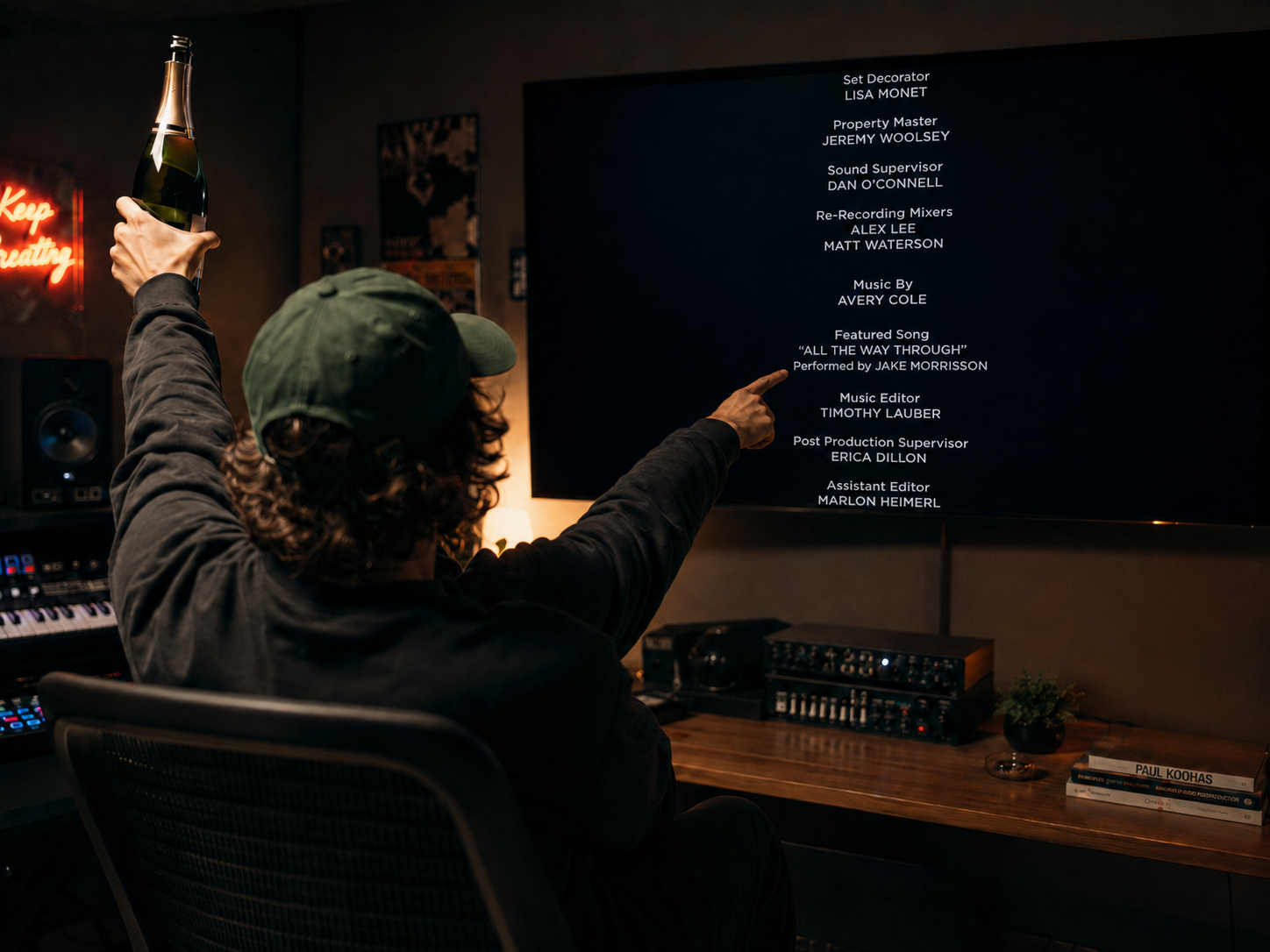
Sync licensing – getting your songs placed in TV shows, films, ads, and games – is one of the most lucrative avenues for Hip-Hop and R&B artists today. Global sync revenues are soaring (around $600–$650M in 2024), and Hip-Hop and R&B music are in high demand. In this comprehensive guide, we’ll cut through the fluff with insider strategies: how music supervisors think, where to pitch your beats and R&B grooves, and what pitfalls to avoid. We’ll highlight the best sync licensing companies and libraries for urban genres, explain the importance of professional production and metadata, and even share a reality check on the grind. By the end, you’ll have actionable steps, tools, and resources (including an advanced contact directory) to seriously boost your chances of getting a sync placement in 2026.
Who This Is For
Independent Hip-Hop & R&B Artists and Producers: You make beats and songs in urban styles and want exposure beyond Spotify and SoundCloud. You’re serious about licensing music to TV, film, ads, or video games.
Cross-Genre Producers (Pop, Cinematic, Soul): Even if you dabble in related genres like pop or soulful R&B, the advice here applies to getting your music in sync.
DIY Musicians & Beatmakers: You handle your own mixing and distribution but need insider insights on pitching, sync libraries, and quality standards.
Record Label Managers & A&R Scouts: You have artists targeting sync opportunities and need a roadmap of platforms, services, and industry norms.
If you’ve ever wondered, “How do I get my rap or R&B track in a Netflix show or a Nike ad?”, this post dives deep into exactly that. no generic buzz, just authentic industry knowledge.
Table of Contents
Why Sync Licensing Matters for Hip-Hop & R&B
Trends & Opportunities in 2026
Top Sync Licensing Companies & Music Libraries
Stop Guessing Who to Pitch Your Music To
Preparing Your Music for Sync: Production & Metadata
Pitching Your Music to Supervisors
Recording Music That Actually Gets Placed
Reality Check: What Nobody Tells You
Common Mistakes That Kill Placements
How to Fix It Fast
Recommended Tools & Resources
Advanced Strategy: 350+ Supervisor Contact List
FAQs
Why Sync Licensing Matters for Hip-Hop & R&B
Sync licensing has become one of the few areas of the music industry where independent artists can earn big while retaining ownership of their music. Remember that a single placement – say, a Hip-Hop beat in a TV show – might pay $5K–$20K per episode, far more than streaming. As you might know, even big streaming platforms pay fractions of a cent per play. With this in mind, the difference between streaming revenue and a sync payout for small artists can be astronomical.
For Hip-Hop and R&B artists, sync is tailor-made: these genres often carry the energy and emotion advertisers and filmmakers crave.
For example, cinematic hip-hop with heavy drums and orchestral hits is everywhere in sports promos and video game trailers, and smooth R&B finds homes in dramatic series and commercials targeting young urban audiences. Crucially, music supervisors (the gatekeepers for placements) aren’t looking for the edgiest indie rap track just because it’s creative; they want something that fits the brief, is easy to license, and can be delivered fast. In practice, that means your song needs to sound professional (no garage demos) and have all rights cleared so they can click “license” and go. When it does click, one placement can send your streams through the roof (Some tracks saw an 800% increase in streams after a TV sync). Sync is not only high-paying, but also high-exposure – perfect for breaking through the noise for urban artists.
But like any market, sync has become competitive. Millions of songs are uploaded online daily, so supervisors increasingly rely on well-organized libraries and data (like metadata tags and playlists) to find music. This creates a huge advantage: if your trap beat or soulful R&B ballad is properly prepped, it will be 10x easier to get found. That’s the sweet spot of sync – outsmarting the competition with a good strategy.
Trends & Opportunities in 2026
In 2026, Hip-Hop and R&B remain at the forefront of sync trends. Multiple industry reports highlight that Hip-Hop and R&B tracks are super hot for syncing into TV, film, and commercials aimed at younger audiences. Bridging genres is also in vogue: think trap beats with orchestral layers (cinematic hip-hop) or R&B vocals over modern lo-fi production. For example, thriller trailers and sports hype reels often use “epic hip-hop” to pump up the adrenaline. In the advertising world, youthful brands often tap into urban vibes – e.g., a fresh rap song in a sneaker ad or a gritty R&B groove behind a car commercial.
Even outside of contemporary Hip-Hop, related styles are also popping off in the sync world. Lo-fi Hip-Hop and nostalgic R&B are being used for tech ads and lifestyle content. One sync blog notes a rise in tracks that “evoke nostalgia” for projects seeking an emotional throwback. Additionally, don’t overlook the power of international and cross-genre influences. Latin-influenced urban beats, Afrobeats, and global R&B flavors are winning sync briefs targeting diverse markets. In short, sync supervisors want “urban cool” – but it has to serve a scene or brand. A killer hook or beat isn’t enough if it doesn’t fit the mood of the story.
One notable trend: music supervisors today are moving away from the label of “sync-friendly generic tracks” toward original, authentic songs. If you’ve been producing stocky, one-size-fits-all cues thinking “it’s easier to sell”, there’s a bit more to it than that. Supervisors have begun to prefer unique, character-driven music – a space where creative Hip-Hop beats or soulful R&B vocals shine. Another trend is “micro-sync” on digital platforms: short clips, podcasts, and branded YouTube content now demand background music constantly. This broadens the market for Hip-Hop loops and R&B instrumentals.
Real-world sync placements illustrate this: Hip-Hop producer Vo Williams has reportedly landed thousands of placements (sports theme songs, team anthems) by focusing on one-stop clearance and reps. Indie band Ships Have Sailed saw their track become the LA Kings’ hype anthem, showing how a strong pop/R&B song can break into sports media. These aren’t flukes; they underscore that supervisors love plugging good Hip-Hop and R&B when they find it – as long as it’s ready to go.
Top Sync Licensing Companies & Music Libraries
There are dozens of sync companies and music libraries, but some stand out for Hip-Hop and R&B. Here, we’ll break them into two categories: (1) open/artist-centric platforms (more DIY and non-exclusive) and (2) curated libraries/agents (often exclusive, high-end placements). Also of note is the distinction between subscription libraries and traditional sync libraries.
Open Platforms/Marketplaces: These include Songtradr, Music Gateway, UnitedMasters, BeatStars, Musicbed, PremiumBeat, Artlist, Epidemic Sound, Soundstripe, and Broadjam. Many let any artist submit or sign up. For example, Music Gateway (a subscription model) pairs indie tracks with major brands (including Disney and Netflix) while letting you keep 100% of backend royalties. Songtradr is another giant – you upload your catalog and can pitch to briefs or let their AI match your Hip-Hop or R&B songs to projects. They even offer distribution and payout up to 80% of sync fees, depending on the plan. These platforms often welcome urban music; for instance, Music Gateway and Songtradr explicitly list “Hip-Hop/R&B” as genres when tagging tracks, and they hold open calls for beats and rap cues. BeatStars is notable too – it’s mostly for selling rap/pop instrumentals, but it’s evolved into sync as well. In fact, $85M has been paid out on BeatStars just for beat sales, and some producers on BeatStars have gotten placements in commercials (after their songs became hits).
Subscription Libraries (Royalty-Free): Platforms like Epidemic Sound, Artlist, and Soundstripe follow the subscription model. Creators (such as YouTubers and advertisers) pay a flat fee and grab any track for their projects. Epidemic Sound excels for Hip-Hop and pop with big upfront buyouts: they pay you a one-time fee for your track, then use it in their catalog (you get 50% of streaming royalties later). It’s great for exposure (your music instantly reaches millions of content creators), but note: once they take it, you can’t collect performance royalties on uses. Artlist similarly pays upfront and then a share of subscriber revenue, but lets you retain rights (they only ask that your tracks be exclusive to their platform to some degree). Soundstripe (also curated, hip-hop-friendly) pays per download/use and has paid out $3.6M to artists so far. If your music is polished and versatile, these libraries can provide a steady income, though generally in trade for exclusivity to that service.
Traditional Sync Agencies/Libraries: For Hip-Hop and R&B, note Jingle Punks, Crucial Music, Marmoset, and Taxi. These operate like old-school agencies. Jingle Punks has a huge catalog (half a million songs) and a one-stop model: accepted songs are licensed exclusively through them for a period, and they split sync fees 50/50. They love universal, high-impact cues – think catchy rap hooks or energetic background beats for reality TV or sports. Crucial Music is a songwriter-friendly agency that pitches to big TV shows and ads, requiring a 3-year contract for any song they accept. You keep your rights (they act as an agent only) and split the fees with them. They even ask for instrumental and clean versions upfront (a great sync practice). Marmoset is a boutique that’s extremely selective and high-end; they’ve placed indie Hip-Hop and eclectic R&B in Nike ads and indie films. They open submissions only one week a month, so timing is key. Taxi deserves a mention too. It was one of the first indie-to-supervisor hubs. You pay a membership fee to access daily “music wanted” briefs from TV and film. They don’t take a cut of your placements (just a fee per submission), which can be worthwhile if you have many tracks and genres ready to pitch.
Each platform or company has trade-offs: exclusive vs. non-exclusive licensing, subscription vs. upfront fees, curated vs. open. The key is to match your music to the right place. For example, if your Hip-Hop beat is cinematic and polished, target Musicbed or PremiumBeat. If it’s a raw rap loop, try open libraries like Songtradr or even BeatStars. If it’s a soulful R&B ballad, consider Artlist or Epidemic, which have budgets for high-quality songs. Always read a platform’s guide: some are closed to unsolicited submissions (Musicbed often closes new sign-ups), while others actively scout genre-specific music. The advantage of these sync licensing companies is that they connect you with real music supervisors, publishers, and brands – something you’d rarely find on your own.
Stop Guessing Who to Pitch Your Music To
Get instant access to 300+ music supervisors, sync libraries, publishers, and licensing contacts. We did the research so you can build your pitch list, submit smarter, and get your music in front of the people placing songs in film, TV, ads, games, and music libraries.
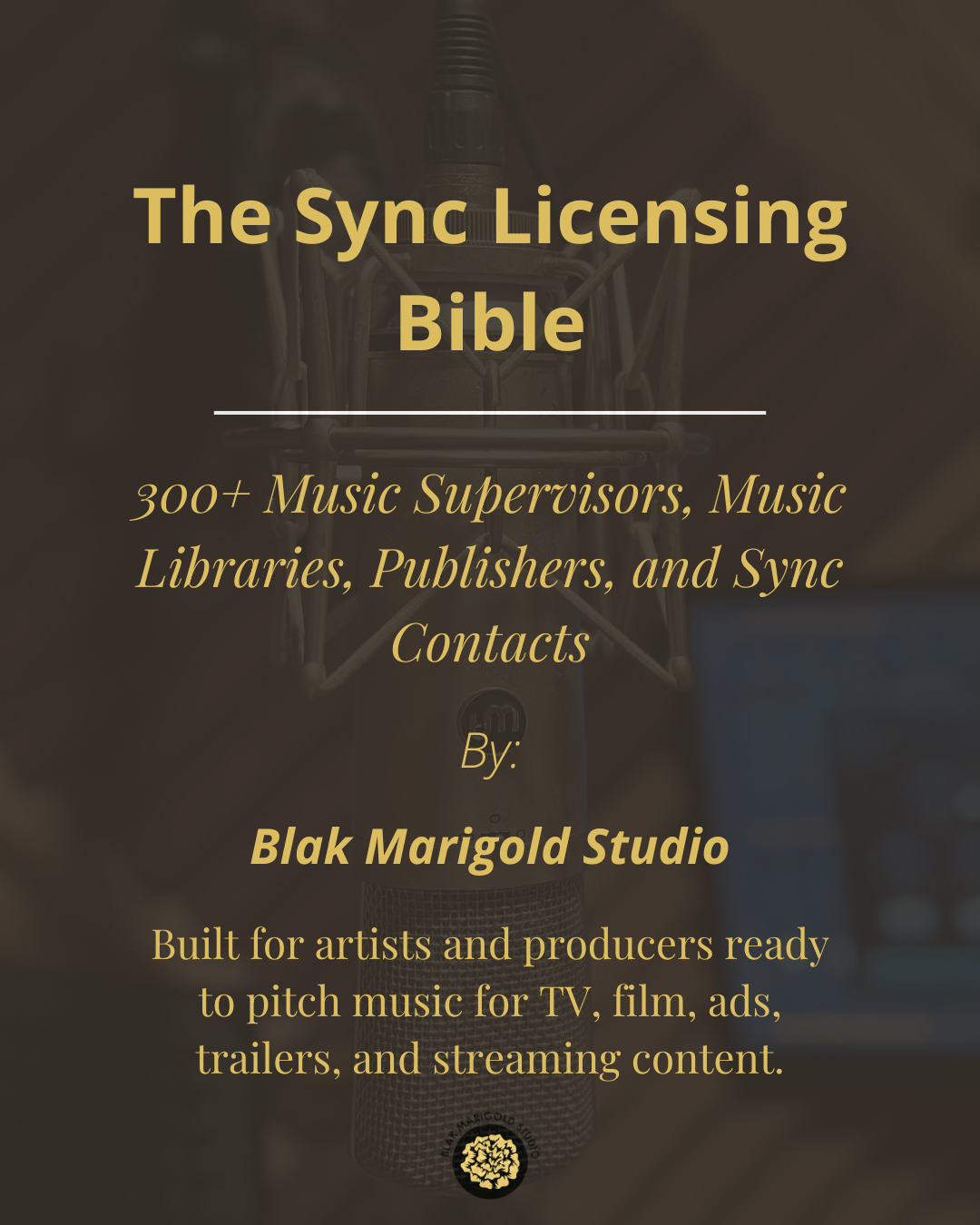
Sync Licensing Bible directory with 300+ music supervisors, music libraries, publishers, and licensing contacts for artists and producers pitching music for film, TV, ads, games, and sync placements.
The Sync Licensing Bible gives artists, producers, songwriters, managers, and indie labels access to over 300 music supervisors, music libraries, publishers, licensing companies, and sync contacts so you can stop searching and start pitching with a real plan.
This directory is designed to save you time, help you stay organized, and give you a stronger starting point for getting your songs in front of people who work with TV, film, ads, trailers, games, and digital media.
Perfect for anyone ready to stop guessing where to send music and start building a real sync outreach system.
Digital download only. No physical product will be shipped.
Preparing Your Music for Sync: Production & Metadata
Having a great hook or beat is just the starting point. To actually get placed, your track must be fully “sync-ready”. That means studio-level polish, plus flawless metadata and licensing prep. Music supervisors can be ruthless when it comes to this – if a song isn’t production-ready or has a sample issue, it won’t get past the first play. They hear thousands of submissions, so any friction (noisy amateur mix, missing labels, or ambiguous rights) and your song gets skipped.
Professional Quality: First off, mix and master your track to commercial standards. Broadcast-ready means having a mix with balanced EQ, tight dynamics, and stereo imaging that holds up on TV and radio. Hip-hop and R&B tracks, especially, need clear low end and crisp vocals. Studios like Blak Marigold specialize in sync-ready mixes for exactly these genres; in fact, experts note that “if your track does not sound broadcast-ready, it will not compete with professional production music catalogs”. An insider tip: create stem exports (isolated bass, drums, vocals, etc.) and a clean instrumental version for each song. Stems give editors flexibility (they can duck your vocals under dialogue) and instrumentals expand usage (like background beds). Many sync clients expect stems and alternate edits up front – missing them is a red flag.
One-Stop Clearance: Become a one-stop shop for your music rights. For sync, this means you control both the master and the publishing. If you own your masters (via a service like DistroKid, TuneCore, etc.) and you register all songwriting splits with a PRO (ASCAP, BMI, SESAC), you vastly simplify the license process. Supervisors will pick you over a song with unclear ownership every time. ThatPitch’s guide emphasizes: own/control your masters and publishing, have every co-writer on board, no uncleared samples – then you can clear a license in days, not months. In practice, that means registering every track with your PRO before pitching. The Blak Marigold Sync Checklist explicitly says to be sure you’re “registered with a PRO (ASCAP, BMI, SESAC), so you get paid when your track is placed”. It’s a small step that leads to zero legal headaches.
Metadata and Searchability: Your track needs killer metadata – that is, the fields like genre, mood, instruments, keywords, and clear composer info embedded in the file. Think like a librarian: if a supervisor is looking for a “dark trap beat” or “sultry R&B ballad”, your song must match those tags. Platforms and libraries rely on metadata to serve up tracks. SynchTank’s advice: include the title, artist, and composers, and, in the comments field, add a few precise keywords and moods (like ‘moody’, ‘energetic’, ‘urban’), a lyrics snippet if applicable, BPM, and even the gender of the vocalist. Overloading keywords can cause a track to be picked up as spam; pick 3–5 that truly fit. If your files have bad or incomplete metadata, they’ll never show up in searches. Many libraries won’t even accept submissions without the required tags.
Briefs and Pitching Prep: Always tailor your music to specific briefs when possible. When a library or client publishes a “music wanted” brief (for example, “Upbeat R&B love song, 90–100 BPM”), make sure you submit the track that fits. If your song matches a brief’s mood and instrumentation, it stands a much better chance. Otherwise, you’re spamming blind. This means keeping a well-organized track of the info you have at hand: a spreadsheet or database of your best songs, with all their metadata and stem files ready to go. ThatPitch’s step-by-step guide even suggests writing sample metadata entries for reference. It may seem tedious, but being organized will save you from missing an opportunity at the 11th hour. At the end of this prep, test-play your music on different devices (TV speakers, phone, etc.) and compare it to songs on Netflix or ads. If your mix sounds as tight as that top-tier catalog, you’re on the right track. If not, invest time in polishing the mix (or use a pro mixing/mastering service). Bottom line: treat your song like a product – everything from recording to metadata to stems should be complete before you send it out.
Pitching Your Music to Supervisors
Getting on a music supervisor’s radar is about precision and respect – not blasting your email to every random address. A supervisor is the editor of their project’s soundtrack, and they’re swamped. They’ll ignore generic pitches in a heartbeat. Instead, research exactly what they do and pitch that. For example, use IMDb or industry sites to see which current shows a supervisor is working on. If the brief is for an “aggressive trap instrumental”, don’t send them your lo-fi soulful beat – that’s an immediate out.
Personalized Outreach: Cold emailing is still possible, but you must stand out. This SynchTank blog advises: first, do your homework on the supervisor’s style and projects. Then craft a short and relevant pitch. Include a 2–3 sentence intro (“I loved your work on [Show], here’s a song that fits X scene”), and a link to the track (file attachments are a no-no). Keep it one-track, one-link. Music supervisors get tons of emails; any fluff or multiple MP3 attachments, and they’ll trash them. If you can get a real connection – say you both attended a music event or have a referral – that’s even better. Networking at industry meetups or panels (SXSW, SyncSummit, any other Film & TV music conference) is invaluable.
Platforms and Submissions: Beyond cold emails, use the platforms and services mentioned earlier. If you release through a library or agent (like Musicbed, Jingle Punks, etc.), they pitch for you. Some platforms also have playlists where you can submit to themed collections. Additionally, engage on social and LinkedIn by sharing updates about your music. Showcasing your tracks on SoundCloud or Spotify might catch a supervisor who casually searches – but you still need that metadata. Persistence, Not Spam: Track where and when you pitched each song, and follow up once if needed. If a supervisor requests stems or more info, reply quickly – delays kill deals. Also, consider hiring a sync agent or manager if you’re dealing with major labels; they have existing relationships. Remember what we said: supervisors love one-stop, cleared music. If you can present yourself as organized (with clear legal status, files ready, and a single point of contact), you become a very attractive candidate.
Recording Music That Actually Gets Placed
Many artists overlook the recording step, but a high-end recording setup can make a huge difference. Tracking vocals and instruments in a quality studio ensures a clean, noise-free recording that masters to broadcast standards. For example, Austin’s own Blak Marigold Recording Studio is known for its work with sync-oriented artists. Recording Hip-Hop vocals or R&B sessions in a pro studio (instead of a bedroom) can elevate your track to the level where music supervisors give it a second listen. A good studio session also means professional microphone techniques and room acoustics, which you can’t fake in a home setup. If you’re in Austin (or anywhere), look for a recording studio with gear and experience in placement-driven music. We’re not just making this point isn’t to plug names; professional studios do create tracks with quality that translates on screen. For example, on Blak Marigold’s Sync Licensing page, we highlight how we mix/master to sync standards, with instrumentals and clean edits ready. That same principle applies at the recording stage: capture the best possible raw tracks. Once recorded well, the later mixing and mastering touches are less work.
A bonus of a studio environment: you get producer/engineer feedback. They often know current trends and can suggest arrangements or edits to increase sync appeal. And a side note – studios often have a network; engineers and clients might have sync contacts too. So think of recording as both quality control and networking. If you record in a place with other pro artists, you’re absorbing the mindset that leads to sync. Lastly, keep your studio files organized. Label vocal takes, beats, and alternate versions clearly. An often-cited checklist item is to include stems/instrumentals and clean edits from the get-go. If you set that up right after recording, you won’t scramble later.
What Nobody Tells You About Sync: A Reality Check
Let’s bust some myths. Sync licensing is not a lottery. It’s not just about one big, nebulous placement that magically makes you rich. It’s about building a system that yields steady opportunities. Music supervisors aren’t clicking on your SoundCloud because they love your creative sound – they’re filtering through metadata-rich catalogs for a specific need. Usability trumps originality in most cases. A super creative track that’s hard to clear or not exactly on-brief will be passed over. On the flipside, a less daring track that matches the exact vibe and has no clearance issues could land the gig. It’s all about practicality.
You won’t get famous overnight from sync. Not that it can’t happen (believe us, we all dream of the “song placement that changes everything”), but usually it’s slow. Each placement you do get is one more clip on your resume. It’s best to think of it like gardening; plant songs consistently, and some will grow. A line from our own experience: “Stop thinking like an artist and start thinking like a system”. Organize your catalog, plan your pitches, and be ready to follow up. Those who win sync do so through persistence and professionalism, not one-off brilliance. Music supervisors will not sift through messy drives or answer the 20th follow-up from a confused artist. They want someone who “gets it,” with low effort on their part.
Here’s another truth: No one owes you a placement. You won’t impress a supervisor by bragging or sending attachments. You impress them by making their job easier. That means deliver clean files, quick turnaround on requests, and clear communication. For instance, if they ask for an instrumental, reply within hours, not days. If you respond slowly, they’ll simply move on. And don’t assume unlimited rights – if you can’t license the song worldwide, say so upfront. Transparency here builds trust. Finally, sync is a small community. Good relationships matter. Supervisors talk among themselves, and agencies share pitches. If you become known as reliable and easy to work with, you’ll start popping up in recommendation lists. Conversely, if you blow them off or cause legal troubles (like uncleared samples), you can get blacklisted. So be professional above all.
Common Mistakes That Kill Placements
Poor Metadata: If your Hip-Hop track isn’t properly tagged (genre, mood, instruments), it will never be found in a library search. Supervisors use keywords to filter thousands of songs. Missing or generic tags (like “Song1.mp3”) = automatic skip. Always double-check your metadata fields, or your music will never surface.
No Stems/Instrumentals: Editors need flexibility. A rap track with no instrumental means editors can’t duck vocals under dialogue. Worst case: your song is unusable. Some listings have even rejected submissions without stems. Always provide an instrumental version (and a clean edit if there are explicit lyrics) when pitching.
Unclear Ownership/Clearing Issues: A Hip-Hop beat with an uncleared sample (or a co-writer you forgot to register) will scare off supervisors. They won’t risk a $100M lawsuit for your track. Similarly, if you’re not a one-stop, they’ll have to call multiple people to sign off. This friction kills deals faster than anything. The fix: own your masters and publish your songs, or have admin rights to them, as discussed.
Low-Quality Mix: A muddy bassline, clipping snare, or tinny vocals will make your track sound amateurish. Even if the songwriting is great, it will be ignored. Sync is about broadcast-quality sound. After mastering, listen on cheap speakers – if it still sounds dull or harsh, hire an engineer. As we have stated quite bluntly in the past, quality is paramount for sync.
Mass Email Spamming: Sending hundreds of “Dear Music Supervisor” emails yields nothing. Supervisors spot impersonal blasts a mile away. It not only wastes your time but also harms your reputation. Always tailor one message at a time to relevant contacts. Ignoring Submission Requirements: Some libraries/briefs have strict rules (format, song length, exclusive periods). Ignoring those or late submissions = disqualification. For example, many require WAV format, a maximum of 2 minutes, etc. Not reading the fine print guarantees that your song won’t be considered.
Giving Up Too Early: If you send out a sync pitch and don’t hear back, don’t assume they hate you. Supervisors might be busy or waiting. But DO ask politely once (via a platform’s messaging or a follow-up email) to confirm receipt. Persistence in a professional way pays off.
Each of these mistakes adds friction, and friction kills placements. The cure is to eliminate every possible hurdle before sending your music out.
How to Fix It Fast
Think of reducing friction as your No. 1 task. Here’s a quick win-list to apply today:
Revise Metadata: Use tools or software to embed correct tags (genre, mood, BPM, lyrics snippet). SynchTank suggests including the title, artist, composers, and relevant keywords for each file. Do this on every track you might sync.
Create Required Versions: For your best beats/songs, be sure to export an instrumental mix, a version without vocals, and a “clean” edit if lyrics contain profanity. Label them clearly (e.g., TrackName_Instr.wav). Now, any supervisor’s request is a click away.
Polish Your Best Songs: Identify your top 3-5 tracks for pitching. Compare them to similar songs already placed (watch the Netflix shows or games you want to be on). If yours falls short, invest in remixing/mastering. Even subtle compression/EQ tweaks can make a track competitive. If needed, book a mixing session with a pro studio. Quality is paramount, so do everything you can to ensure your sound stands up.
Rights Check: Make a list of your key tracks and ensure masters are owned by you or your label, and that every co-writer and sample is properly registered. If something’s missing, fix it now or retire that track from sync pitches.
Targeted Submissions: Instead of blasting every catalog, pick the right ones. For example, if your beat sounds like it was made for an adrenaline-fueled trailer, submit it to Music Gateway and Jingle Punks. If it’s a warm R&B soul tune, try Musicbed or Artlist. Research where similar songs have appeared and start there. Follow Up & Network: Keep a CRM (even a simple spreadsheet) of who you’ve contacted and when you contacted them. Set reminders to follow up on important pitches after 2–3 weeks. Also use LinkedIn to connect with a few music supervisors or sync reps (no sales pitches yet, just a quick note appreciating their recent work).
Stay Consistent: Finally, schedule weekly or bi-weekly sync tasks. New briefs and contacts come out regularly. Consistency beats one-off efforts every time. The more active you are (without being spammy), the higher your chances that the right person finds your music at the right time.
By systematically applying these fixes, you remove the common roadblocks. Your music becomes easier to discover and license – which is exactly what supervisors look for.
Navigating sync can be overwhelming. Still, there are platforms and tools worth knowing:
Sync Directories: Paid services like The Sync Report offer searchable databases of active music supervisors, brands, and trailer houses. For example, they list hundreds of supervisors by show and agency. Such directories (also see “Sync Licensing Bible” on our site ) can save you hours of research.
Submission Platforms: Apart from the companies listed earlier, use tailored pitching sites. Tunedge/Artist Portal Studio (free) posts numerous briefs daily; Songtradr and Music Xray run contests and briefs you can pay to enter. These let you target specific genres or budgets.
Metadata Tools: Apps like mp3tag or Tag&Rename help batch-edit metadata, ensuring no track slips through with “Unknown” labels. These tools can even embed cover art into each file (helpful for visual catalogs).
Networking Events: Attend music industry conferences and film/TV expos. Events like SyncSummit or Billboard’s Sync Licensing Conference (even virtual) put you in front of supervisors and sync agents.
Educational Guides: Keep learning. Blogs like SynchTank’s “5 Essentials” offer deep dives. Even listening to sync licensing podcasts can spark ideas. For instance, experts emphasize constantly updating your catalog and marketing it – remember, technology is only part of success.
Use these tools not as shortcuts but as force multipliers – they organize and focus your efforts. For example, proper PRO registration can ensure none of your songs fall through the cracks, while a sync briefing app can alert you to exactly the requests that match your style. The right tools paired with the right strategy will make sync a more visible path for your Hip-Hop or R&B music.
Advanced Strategy: 350+ Music Supervisor Contact List
Once you have your music and metadata dialed in, it’s time to accelerate your outreach with industry contacts. Beginner artists rely on open libraries and general submissions, but serious players use curated contact lists. For example, The Sync Licensing Bible (a directory of 300+ industry contacts) compiles email addresses and agency information for supervisors, music libraries, and publishers. This is an advanced resource – the idea is not to cold-email them all at once, but to have a targeted shortlist of people who work on projects matching your genre.
Having a contact directory saves invaluable research time. Rather than guessing which supervisor to email for that gritty urban drama, you look them up directly in the list. Use these contacts judiciously: prioritize quality and relevance over quantity. A single well-written email to the right supervisor can be more effective than dozens sent blindly. However, remember that even with a big list, success depends on the groundwork you laid (prepared tracks, metadata, professional pitch). Think of the contact list as giving you access, but you still have to earn placement by being ready when they listen.
In sum, a 350+ contact directory is a tool for serious artists. It’s a step beyond entry-level advice. By combining that list with the insider strategies above, you’re positioning yourself in front of the decision-makers and proving you’re ready for professional sync.
Closing Notes
Let’s keep it real: quality counts. That’s why a professional studio can make or break your sync dreams. Blak Marigold’s own experience shows the difference: tracks mixed and mastered in a studio not only sound better – they get picked more often. When supervisors hear that your R&B ballad is crisp and warm, or your trap beat thumps just right, they think “This looks like a track I can use.” It’s worth noting that a recording in a proper studio (even in Austin!) often includes some of this polishing by default. No matter where you work, obsess over a radio-ready mix.
We also recommend using a Sync Licensing Checklist (like the one on our site) as part of your process. It’s best used as a final gatekeeper that ensures every “i” is dotted: tracks distributed, PRO-registered, alternate versions ready, metadata complete, etc. A good checklist can be the difference between a placement slipping through or seizing that next opportunity.
